“The more I write full time, the more I learn about how to get started and when to stop: knowledge that makes me more efficient in a job that often is not.” (Deborah Lee Luskin)
STARTING
Start by writing a rough draft: rough– as in scrawled in a notebook or typed without consideration for spelling, syntax or grammar. Usually, doing this shakes the ideas loose in no particular order. Often, the order becomes apparent before I’ve finished turning out all the pieces, so I number the sentences but keep pushing on to what may be the end. Or not.
WAITING
Ideally, I then wait…if I’ve left myself enough time before a post has to go up or before a deadline arrives. When I can, I let the rough draft mature overnight and return to it the next day. I’m a strong believer in the process of fermentation for both writing and wine, and often while I kick back with a glass, my subconscious continues to work.
When I return to the draft the next day, I’m always surprised by what I find: sometimes it’s a welcome surprise, more often, it’s a set of notes with a workable idea buried in it, and I have to dig to find it, typically by writing another draft. And another.
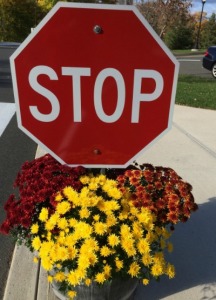
STOPPING
The telltale signs of needing to stop are attention to email, wandering over to Facebook, staring out the window, or eating lunch one-two hours early.
How do you start a piece? And how do you know that staring at your computer any longer won’t help, so it’s better to stop?
Read the full article here
Source: Live to Write, Write to Live

 Do you have a few abandoned manuscripts sitting on your computer? Are you lured away by new ideas, or do you find that getting started is easy, but continuing to write until the end of a first draft is the hardest thing in the world? You are not alone!
 Bryn Donovan gives great prompts on how to start writing when you hit writers’ block.
 Starting.
 springfieldwritersguild.org