
Resource Tips

Tighten the Threads


Just yesterday I heard a word I hadn’t heard or seen used for years. The word is Brinkmanship. My definition for it (from the creative writing perspective) is “to bring Readers to the BRINK of solving the mystery, then strategically pulling them away from…
ReadMore

Self Publishing Advisor

INTRIGUE Plus SUSPENSE Plus MYSTERY

Tightens The Threads

Just yesterday I heard a word I hadn’t heard or seen used for years. The word is Brinkmanship. My definition for it (from the creative writing perspective) is “to bring Readers to the BRINK of solving the mystery, then strategically pulling them away from that answer only to maneuver them onto another path.” When writers hone this skill they produce wonderful adventures that not only challenge our logical thinking abilities but satisfy the soul. Much like the tapestry illustration shown here, the various color hues (characters) and textures (plot/angles) intrigue us and bring us joy.
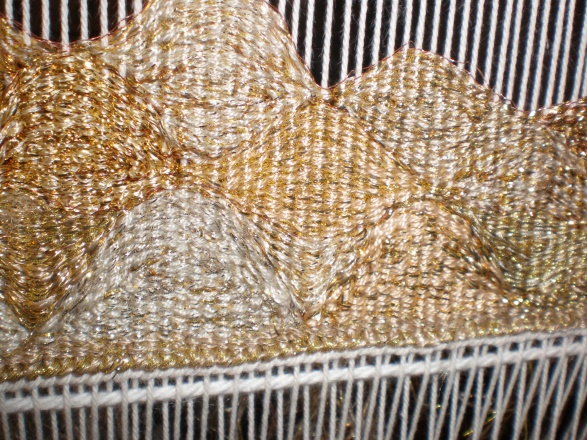
textureAgatha Christie is one of the best and most read novelists. She instinctively knew how to weave the threads of Intrigue, Suspense and Mystery into puzzle-patterns creating beautiful whodunits that tantalize us, frustrate us and bring us to the brink of giving up before they allow…

View original post 525 more words

Resource Tips

The Book Beautiful: Front & Back Matter (It Matters!)


Self Publishing Advisor

So you’ve written a manuscript, thus the ‘meat’ of your book is complete. However, you want to happily sandwich that meat between what we call ‘front matter’ and ‘back matter.’ Front matter includes things like the half-title, the title page, the copyright page, a dedication, acknowledgements, a table of contents, and perhaps other things such as an epigraph, a preface, an introduction, or a prologue. The back matter can include an index, an appendix, and other material that doesn’t belong in the meat of the book, but that you’d like to include to feel you have a complete book.

First, let’s break down what front and back matter should include and how to make them look professional and appropriate. We’ll begin by tackling the different types of front matter you can choose to include.

  • Half Title –  As writers, you’re probably (and hopefully!) avid readers yourself, so you know that…

View original post 828 more words

Resource Tips

A Guide To Book Cover Design


Resource Tips

The Book Beautiful: Hard vs. Soft Cover


When self-publishing, one of the aesthetic decisions you’ll have to make is whether or not to publish your book as a hard or soft cover. The decision is one that will mainly affect your readers, so when exploring the pros and cons of this decision, we will be considering the experience and opinions of your potential readers.
ReadMore

Self Publishing Advisor

When self-publishing, one of the aesthetic decisions you’ll have to make is whether or not to publish your book as a hard or soft cover. The decision is one that will mainly affect your readers, so when exploring the pros and cons of this decision, we will be considering the experience and opinions of your potential readers.

books on display India

First let’s consider what the pros are to publishing a hardcover title?

  1. Hardcovers are just plain nice to look at. They are sleek.
  2. You don’t have to worry about the pages getting ‘flappy’ or folded at the edges.
  3. They absolutely last longer–I can’t tell you how many paperback books I have with torn off or taped on covers.
  4. No need for a bookmark, just use the handy-dandy book jacket!
  5. Look great as additions to a bookshelf or coffee table.

And the cons to publishing a hardcover title?

  1. They are heavy as can be…

View original post 374 more words

Resource Tips

Don’t Judge a Book by its Cover?


cover4No matter who your audience is, you want them to be excited when they see the cover of your book.

While the old adage “Don’t judge a book by its cover” is one all too oft repeated, we all know that we’ve been in a bookstore and picked up a book with an author and title we weren’t familiar with simply because the cover appealed to our senses in some way. That’s not to say that the heart of the matter isn’t what happens to be inside the book; I can just as easily recall how many times I’ve put down that same book with the interesting cover after scanning a few pages and deciding it wasn’t for me.

When you’ve completed a book that you’ve poured your heart, your soul, and countless hours into, it’s important that your piece physically reflects how beautiful of an accomplishment self-publishing can be. While the traditional means for designing a book cover happened to be very time-consuming and left a lot of authors underwhelmed with the result, luckily for today’s authors, we live in a digital age which makes designing a book cover more exciting and involved (especially for a self-publishing author)!

KELLY SCHUKNECHT, Executive Vice-President of Outskirts Press, has wonderful tips to share about designing the book cover that draws the reader in and helps for choosing the right cover that conveys the story of your book.
Read the entire article here.

Source: selfpublishingadvisor.com