
Resource Tips

Romance


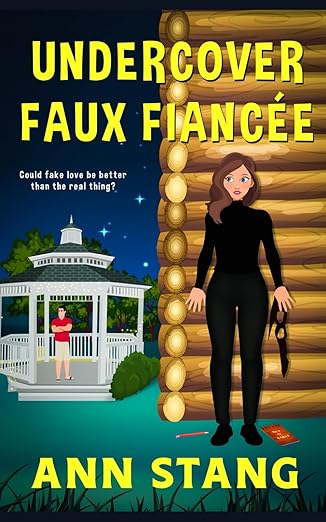
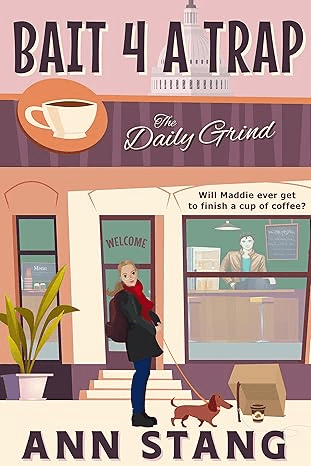
Books by Shirley McCann and Ann Stang

Books by Sharon Kizziah-Holmes , Judy Tarbox, and Marilyn Smith

….MORE COMING

Resource Tips

Author Expo Day -April 29, 2025


Each year, the Christian County Library in Nixa presents an Author Expo Day featuring local authors. Many of the Springfield Writers’ Guild members attended and showcased their books.

Shown l-r:

Susan Keene, Sharon Kizziah-Holmes, Paula Moore, Michelle Underwood, JJ Renek, LaDonna Greiner, Linda Harper, Jan Bailey, Jaime Cole, Shirley McCann, Chuck Robertson, Lynn Combs.

Resource Tips

Plotting: Knowing Which Scenes to Include


writing in notebookHow do writers know which scenes to include and which ones to summarize?

Jody Hedlund, best-selling author of over a dozen YA medieval novels, offers a few great tips on writing scenes.  She says:

“Obviously we can’t write every scene that takes place over the time period of our books which usually spans weeks or months. We have to narrow down how much of our story and character’s lives we reveal on the page. That means we often have to summarize events or leave them out entirely with the assumption that our readers will piece everything together without having to know every detail.

There’s not a hard, fast rule or formula for which scenes to write out in detail and which ones to summarize, but there are a few principles we can keep in mind when choosing scenes to include in our books… 

Read more

Source: jodyhedlund.blogspot.com

Resource Tips

80th Anniversary/Christmas Party


2023 was the 80th anniversary of the Springfield Writers Guild. What an amazing feat for a writers’ group to carry on that many years! We’ve gone through many presidents and interesting times. (See the history to read more).

PAST PRESIDENTS & MORE

Resource Tips · Writing Tips

How to Pitch an Article or Story to a Magazine


Photo by Suzy Hazelwood on Pexels.com

Pitching a story or article to a magazine or blog site is the same as writing a query letter. There are necessary steps to recognize in order to get your piece first accepted, then approved, and finally published.

1. Read the magazine or blog before you submit a pitch

Are you familiar with the magazine or blog? Have you read their publications? Familiarize yourself with the magazine, and then read its guidelines explicitly. Follow them to the letter. You wouldn’t send an informational article on how to raise garlic to a girl’s magazine, nor would you send an animal story to a sports blog. Know who you are pitching to.

2. Research:  Has the story been done recently?

Google your idea for a story. Has the same idea been published elsewhere in the same magazine or one close to it? Choose a different focus or angle and rewrite it with a fresh look.

3. Send point of view

Editors want to know what you’re going to write about when you pitch a story. What is your point of view on this topic? Be careful of querying in generalizations, i.e., “I want to write an article about gardening.” You want to have a narrative with a well-developed idea. Tell instead an interesting point about gardening and why people would be interested.

4. Be specific

Be very specific in your pitch. If your article is about gardening, point out where you live and your personal experience. Pick a subtopic, such as unique gardening tools or exotic flowers and how it relates to you. Magazines like the personal touch; it helps the reader relate and understand.

5. Tell why you are qualified to write this piece

Do you have educational background on the topic, or is it something you have experience with? Have you written for other magazines or blogs? If so, link to your website or put in a link to clips of stories or articles. These are your credits and proof of your qualifications. (Read the guidelines. Some want attachments, others only want links).

6. If submitting recipes…

If you are submitting a recipe, is it your own creation? Have you published original recipes for publications before, or are you a working chef or cookbook writer? Tell them. Recipes must be credible — tested and re-tested. Make sure all the ingredients are correct.

7. Direct your pitch to the right place

Many magazines have a general submission email. However, if the magazine has specialty columns or pages, pitch directly to them. If an editor is mentioned, include their name in the email. Again, know the magazine you are pitching to. It will help in the long run.

8. Submit and Forget

Magazines get a lot of pitches, and sometimes, emails get lost or buried. The best policy is to submit and then forget about it. It may take several months before you are notified – and that’s if they like your pitch. If they decide to offer you an assignment of the article or story, you may hear sooner. I have heard from a magazine in the same day (unusual and unique). Others have taken up to a year to respond (if they do at all). If you don’t hear from them within three months, it’s safe to assume you can send your article to a different magazine. Keep submitting and forgetting, and don’t give up. You will find your niche and learn more as you keep on pitching your work.

See Sample Query Letter